NEWS > 23 March 2026

THE PHILOSOPHY OF SELF-CARE: SERUMS, MULTI-SENSORIALITY AND TOOLS

BY KACEY CULLINEY


Serums, multi-sensorial beauty products and tools are leading the way as self-care and beauty collide, with innovations moving far beyond regular benefits and usability as consumers seek efficacious and engaging products at home.
 
Key Takeaways:
  • Skin care set to grow 16% between 2026-2029 with serums taking centre stage
  • Efficacy and sensoriality now a key focus for brands and consumers
  • Brands continue to push formulas + tools
 
Skin care will continue to hold the lion's share of the beauty market over the next three years, growing 16% to hit 208.2 billion USD in 2029, according to data analytics firm Euromonitor International. Hair care will sit at 124bn; fragrances 107bn; and colour cosmetics 104.7bn.
So, as beauty's biggest category continues to grow, we take a look at some of the innovative formulations, formats and devices set to define the future of skin care. And innovation stretches far beyond day creams and exfoliants, with serums taking centre stage and multi-sensoriality becoming increasingly important in the battle for business as consumers look to lock in skin health.
image 2 THE PHILOSOPHY OF SELF-CARE: SERUMS, MULTI-SENSORIALITY AND TOOLS

The 'undeniable' rise of serums

 “Today's beauty consumers demand specific ingredients with proven efficacy and clinical backing–all part of a broader desire for safety, transparency, and products that actually work,” said Kayla Villena, global insight manager for beauty and personal care at Euromonitor International. “The serum format fits this demand because serums have become synonymous with premium, medical-grade beauty.”
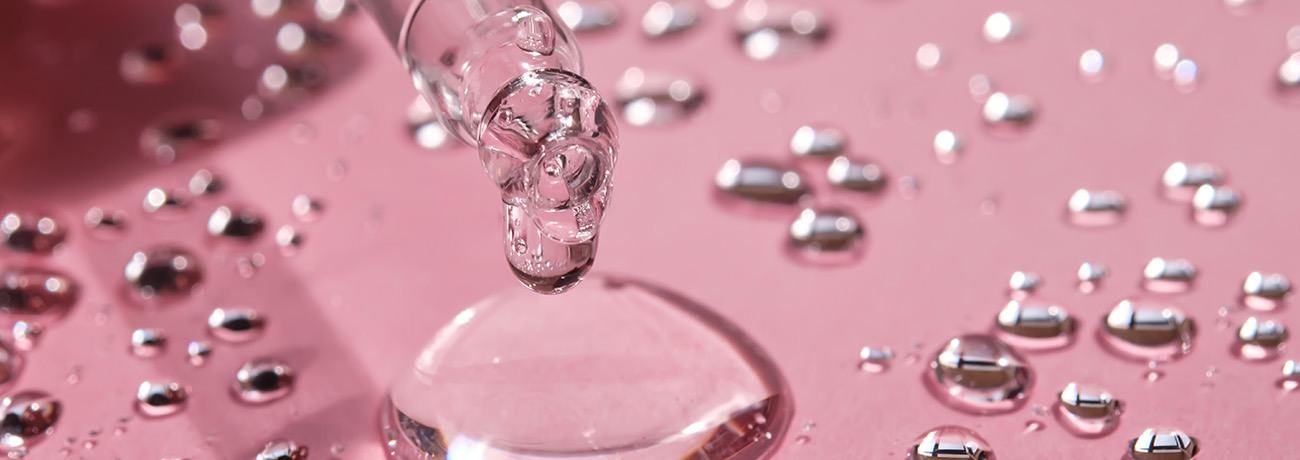
Shiseido’s bio-performance 'skin tightening plump and firm' serum is a good example of this, pivoting on a two-step system to penetrate the skin deeper, she said.
 
The growth of serum formats, in general, has been “undeniable” in recent years, Villena said, driven by the rise of Asian beauty regimes like K-Beauty and J-Beauty where serums form an integral part of skin care routines. And whilst serums predominantly play in the facial care category, she said the format is now gaining traction in ajacent categories, like general pupose body care, hand, hair and neck care. “Serums have evolved from a single product category into a whole philosophy of targeted, science-led self-care,” Villena said.
 
Michael Nolte, SVP Creative Director at BEAUTYSTREAMS, agreed: “Today, the serum format is expanding beyond facial skin care into scalp, body, and even hybrid makeup-skin care products.”
And this, Nolte said, reflects several broader beauty trends, such as the shift towards treatment-first routines and interest in professional-grade, at-home solutions, along with the popularity of ingredient-led communication and rise of personalisation and targeted concerns.  
“In this context, serums function as the active core of a routine, aligning with consumer expectations for efficacy, transparency, and customisation,” he said.
 

Serums 2.0

Finnish beauty distributor Nordic Beauty Inc., for example, has developed a men's grooming gel serum designed to provide an instant cooling effect after shaving, workouts, sun exposure or daily stress. Made with a blend of aloe vera and peppermint, the serum is designed to soothe, hydrate and support the skin barrier, offering a “modern alternative to traditional aftershaves”, according to the company.
 
Italian company Athena's has also developed a 'sculpt and firm' body serum, designed for use on the abdomen, arms, thighs and glutes to regenerate, protect and boost overall skin vitality. Made with patented marine ingredient Actigym, niacinamide, vitamin C, resveratrol and raspberry oil, the body serum works to enhance skin firmness and tone and can be used as a “post-workout booster” or alongside sudden weight changes, the company said.
 
German natural and organic online beauty retailer Cosmondial has developed a salycylic acid serum to target oily or blemished skin under its Grn brand. Made with organic willow bark extract, lemon myrtle extract, BHA and salicylic acid, the serum aims to gently remove dead skin cells whilst soothing the skin barrier for a clearer more refined complexion. According to the company, the formula “redefines natural cosmetics” given its combined efficacy and aesthetic appeal.
 
Polish cosmetic brand Floslek has also developed an anti-ageing serum for the face, eye contour and lips. Made using a blend of biopolymers, biotech derived ectoin and GAMA, the product is designed to hydrate, regenerate and lift the skin for improved firmness and visible wrinkle reduction. According to the company, the product offers instant and long-term lifting and plumping effects for “multidimensional rejuvenation”.
 
US company Nuna Beauty Lab has developed a dual-action serum combining probiotics and volcanic ash clay to redefine pores, hydrate and promote skin brightness. According to the company, every ingredient in the formula has been chosen for proven results alongside planetary care.
image THE PHILOSOPHY OF SELF-CARE: SERUMS, MULTI-SENSORIALITY AND TOOLS

Mainstream and multi-sensorial

As serums gain ground, Nolte said the category has transitioned from the niche, premium area of skin care into being a mainstream, cross-category product type. “Originally associated with prestige skin care, serums are now firmly established in the masstige segment,” he said. “Consumers increasingly expect high-efficacy products with clearly defined active ingredients, clinical positioning and visible results. The format naturally aligns with these expectations because it conveys concentration, precision, and targeted performance.

Beyond this, he said consumers today are also looking for multi-sensorial and experiential beauty”–in serums but also other categories.
 
“In an environment where consumers spend a growing share of their time in digital spaces, physical, real-world experiences are taking on new value,” Nolte explained. Senses that cannot yet be digitised, like touch, scent, temperature, and texture, are emerging as a form of luxury and offering brands a way to engage with consumers in new ways, he said.
 
And this is also informing and influencing product development, he added. Companies today are, for example, innovating more with texture, from bouncy gels to melting balms; layering fragrances within skin care and hair care formulas; and offering transformative formats that change during application.
 
“Sensorality is no longer just a pleasant extra, it is becoming a strategic differentiator that connects emotional wellbeing, product performance and brand identity,” Nolte said.
 
Villena agreed: “Multi-sensorial and experiential products have become critical as beauty brands compete in crowded categories (…) To stand out, brands need to nail that sweet spot between hard science and self-care. When you deliver clinical credibility alongside experiences that meet emotional needs, skin care transforms into genuine wellness moments that keep consumers coming back.”
 
Many brands are also working to develop hybrid offerings that merge skin care formulas with tools, she said, tapping into the trend of “bringing the clinic home”. Korean brand Medicube is one strong example of this push to make professional-grade treatments accessible to more consumers, she said.
img preview

The tools of tomorrow

Nolte said as more brands work to pair formulations with devices, the next few years are certainly set to be “highly dynamic” in beauty tool innovation. Consumers are also “increasingly investing in longevity and preventative care” and therefore investing in higher-priced devices that can deliver long-term benefits, he said.


US company Niuk, for example, has developed a patented applicator designed to be used with a serum. The steel rollerball device works by being put in the freezer ahead of use to enable controlled -18°C temperatures for application of facial serums. According to the company, the device provides a “novel, integrated user experience” to smoothe and reduce puffiness for visible fatigue reduction.
 
French brand Lauvée has also developed a cleansing and draining brush tool that uses a patented microcirculation technique to purify the skin, refine texture and enhance radiance. Designed to remove makeup and cleanse, the company said it “bridges professional facial techniques and at-home beauty tech offering performance aligned with clinical standards”.
 
“Overall, tools are becoming a core part of the beauty ecosystem, rather than a niche add-on,” Nolte explained. From LED masks and microcurrent devices to scalp massagers and ultrasonic applicators, he said beauty tools are garnering interest amongst a range consumers–particularly tech-curious early adopters, skin care enthusiasts and younger consumers influenced by social media and tutorial culture.
 
Looking forward, he said beauty tool innovation is likely to focus on multi-functionality, AI-driven diagnostics, integration with apps and more accessible pricing to reach masstige consumers.

Share article:

Stay up-to-date on the latest news!

An event by
In partnership with
With the support of
Certified by

COSMOPROF WORLDWIDE BOLOGNA - Made by BolognaFiere Cosmoprof S.p.a. - Registered office: Via Maserati 16, 40128 Bologna (Italy) - R.E.A. 1766978
© 2026 All rights reserved - BolognaFiere Cosmoprof - Privacy Policy - Cookie Policy - TERMS OF USE
Whistleblowing - Organisational, Management and Control Model 231

Designed with by ArchiMedia host: 172.31.40.82 - you: 104.23.243.43

Follow us
Loading, please wait…