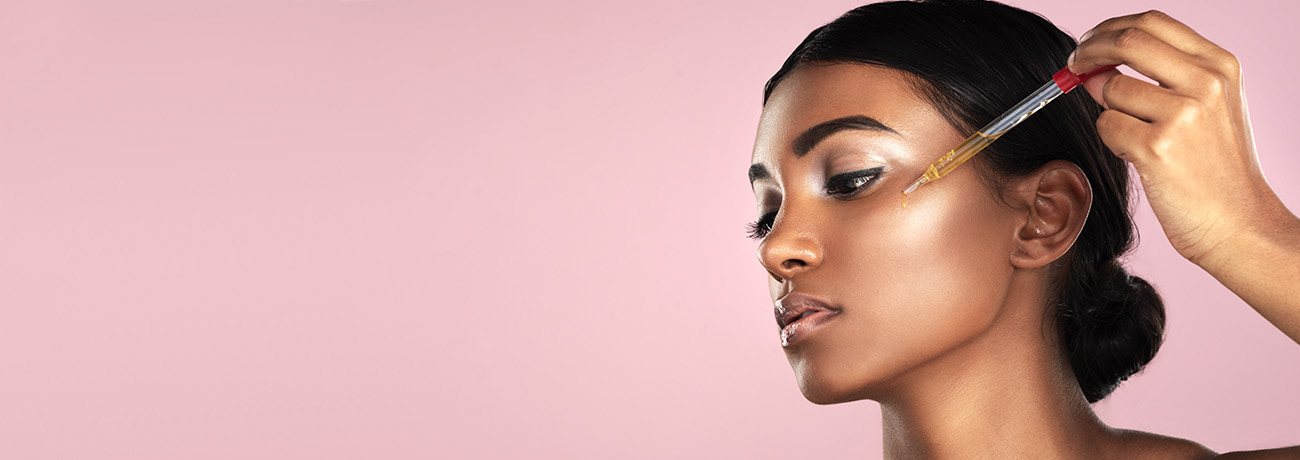
The same transformation is reshaping skincare. Product application is no longer experienced only as a functional step, but as an opportunity to slow down, focus on oneself and create a pause within everyday life.
Music, scent, touch and environment contribute to the experience alongside the formula itself. The discussion highlighted the role of “conscious touch”: the way a treatment is applied, the intention behind it and the time devoted to the gesture can turn a routine into a self-care ritual.
The panel also explored the close relationship between the skin, the nervous system and the microbiome. Stress and emotional imbalance can be reflected in the skin; at the same time, sensorial rituals and gestures of care can encourage a perception of calm, presence and wellbeing. Skin is therefore interpreted not as a simple surface, but as part of a wider system in which physical and emotional dimensions are in constant dialogue.
Longevity: From Anti-Aging To Healthspan
The shift from aesthetics to wellbeing is particularly evident in the longevity debate. The focus is no longer only on appearing younger, but on maintaining function, energy and quality of life for longer.
This evolution, however, requires clarity. During the CosmoTalk
“The wellness path to longevity: where holistic ritual meets beauty innovation”, three different interpretations of the term were identified: longevity science, linked to preventive medicine and the extension of
healthspan;
preventive beauty, which can help preserve skin functions over time, starting with the skin barrier; and longevity used simply as a marketing formula.
“Beauty, at least today, does not reverse age: we are talking about slowing decline,” said Iryna Kremin, Founder and CEO of INNOCOS, a global platform bringing together leaders across beauty, wellness, longevity and technology. A genuinely longevity-driven product should therefore identify the mechanism it addresses, present measurable results, communicate realistic timelines and form part of a wider system of education and ritual. Efficacy does not coincide with an instant promise, but with progressive, measurable and documented improvements.
From Optimisation To “Gentle” Longevity
Alongside growing demand for data, diagnostics and personalisation, there is also a reaction against the more extreme forms of biohacking. Constantly monitoring sleep, performance and biometric indicators can increase awareness, but it can also create pressure.
The emerging direction seeks an equilibrium between technology and pleasure, scientific rigour and sensorial experience. “The challenge is to make longevity feel more experiential and gentle, moving towards biohealing rather than aggressive biohacking,” observed Mallory Huron, Beauty & Wellness Director at Future Snoops, during the talk “The wellness path to longevity: where holistic ritual meets beauty innovation”. Aromatherapy, sound experiences, massage and other sensorial elements can accompany diagnostics and advanced technologies, making the overall experience more holistic.
Social connection is also becoming part of the longevity conversation. Relationships, conversations and shared experiences contribute to quality of life, while the search for increasingly sophisticated solutions can sometimes overlook accessible everyday behaviours: sleep, movement, nutrition, stress management and connection with others. Longevity therefore means not only living longer, but living more fully.
Wellness Travel Becomes Preventive
This evolution is also changing travel. Wellness tourism, once associated primarily with spas, relaxation and retreats, now increasingly incorporates diagnostics, sleep management, hormonal balance, aesthetic treatments and preventive programmes. Consumers are no longer necessarily waiting for a problem to emerge, but are travelling to discover new practices, access specialist expertise and build increasingly personalised journeys.
Within this broader landscape, medical tourism is also becoming more structured. “Medical tourism has become much more widespread and much more professionalised,” observed
Rina Raphael, journalist and author, during the CosmoTalk
“The next phase in beauty: wellness tourism”, pointing to consumers’ growing familiarity with procedures and treatments and, as a result, their increasing willingness to integrate them into a broader approach to personal care.
Price and destination remain important, but trust, facility quality, specialisation, safety and continuity of care are becoming decisive. The journey does not end when a treatment is completed: preparation, aftercare and education help transfer the experience into everyday life. Cultural immersion is also gaining relevance, exposing travellers to new rituals and different approaches to care.